Gas Line Repair in La Cima, San Marcos, TX
La Cima is San Marcos’s Hill Country master-planned community — new construction, modern floor plans, and family-oriented streets wrapped around an amenity center and miles of trails. New homes mean new gas systems, and new gas systems deserve a careful first look: builder rough-in verification, right-sized lines for today’s appliance loads, and clean installations for outdoor living. We bring precise, code-aware gas line installation, inspection, and repair to La Cima, with pressure testing on every job.
About this area
Why La Cima’s new homes deserve a specialist’s first look
Why we serve here
La Cima is a master-planned community on the Hill Country edge of San Marcos — new construction phases, modern homes, and an amenity-centered, family-oriented lifestyle. We serve here because new doesn’t automatically mean right: builder rough-ins can carry undersized runs, missing supports, or fittings that don’t meet code, and the only cheap time to catch those problems is before the drywall goes up and the appliances go in. Our work in La Cima is verification-first — electronic detection, pressure testing, and repairs planned around the fuel gas code.
Gas line care for new construction on the Hill Country edge
La Cima rises on the southwestern edge of San Marcos, where the city meets the Hill Country — a master-planned community of new construction phases, winding streets, and homes designed for modern family life. The amenity center anchors the neighborhood with pools, gathering spaces, and miles of trails threading through preserved Hill Country landscape. Everything here is new: the streets, the homes, and the gas systems serving them — installed to current code, sized for today’s appliances, and still young enough that a careful first inspection can catch anything the build process missed.
New construction has its own failure modes, and they are different from the aging-pipe problems of older neighborhoods. Builder rough-ins are installed fast and at scale: most are perfect, but some carry undersized runs, missing supports, fittings that don’t meet code, or lines that were never pressure-tested properly before the drywall closed. The appliances going into La Cima homes — high-BTU ranges, tankless water heaters, dryers, outdoor kitchens, fire pits — demand more from a gas system than the standard rough-in always delivers. Verification before move-in is the cheapest insurance a new homeowner can buy.
The ground under La Cima is Hill Country in transition: pockets of Blackland clay giving way to Edwards limestone as the terrain rises. New lots are graded, compacted, and still settling, which means buried lines installed during construction can shift as the ground finds its final grade. Rocky sections make trenching difficult and can leave runs shallower than ideal; clay pockets swell and shrink with the seasons. A new gas line’s first few years are when the ground tests the installation — and when an inspection earns its keep.
La Cima’s outdoor living is a gas load story of its own. Patios are designed for gathering: built-in grills, outdoor kitchens, fire pits, and patio heaters that turn a backyard into a second living room for much of the year. Each of those additions draws on the home’s gas system, and many are added after move-in — tied into a rough-in that was sized before the outdoor plans existed. We specialize in that second phase: extending new-construction gas systems cleanly, sizing for the real combined load, and pressure-testing before the first match is struck.
Our approach in La Cima starts with verification before we ever pick up a tool. We review the existing rough-in or installation, pressure-test the system to confirm where it stands, and walk the visible piping from the meter to every appliance. Before any digging, we coordinate Texas811 utility locating, and permits and inspections are handled as part of the job wherever they apply. What you get is plain-language explanation of what we found, what we recommend, and why — so a new homeowner knows exactly what their gas system can carry and what to watch going forward.
Services available
Gas line services in La Cima
La Cima’s gas work divides into three familiar needs: verifying new-construction rough-ins before appliances go in, extending new systems for outdoor living, and keeping young systems honest with inspection and pressure testing. Our installation, inspection, and repair services are shaped around those needs — precise with new pipe, careful with new finishes, and documented so you know exactly what you have.
Gas Line Repair
Gas line repair in La Cima usually means correcting what new construction left behind — an undersized run starved by a high-BTU appliance, a fitting that doesn’t meet code, a section of line damaged during landscaping or fence installation. We locate the problem with pressure testing and electronic detection, open things up with care around new finishes, and repair or replace the compromised section to current code — then test the whole system before service is restored.
Gas Line Installation
Gas line installation in La Cima covers everything from verifying and completing builder rough-ins to new appliance runs and outdoor living extensions — kitchens, fire pits, patio heaters, pool heaters. We size every run for its actual combined load, route cleanly through new construction, and install to current code — pressure-tested and documented before anything goes into service.
Gas Leak Detection
Gas leak detection in La Cima serves new homeowners, builders, and anyone adding to a young system. Using combustible-gas detectors and pressure testing, we trace suspected leaks to their source — a fitting that never sealed right, a line nicked during landscaping, a joint stressed by settling ground — and lay out clear next steps in plain language.
How we work locally
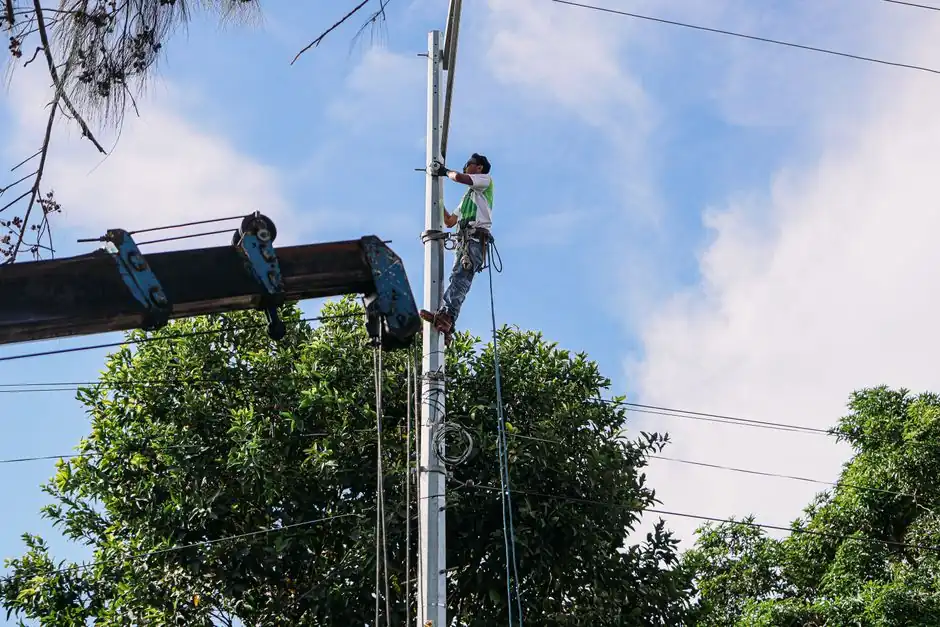
How gas line repair is executed in La Cima
Challenge: Builder rough-ins that need a specialist’s eye
New homes go up fast, and gas rough-ins go in with everything else — usually well, occasionally not. Across new-construction phases we see the same issues repeat: runs sized for a standard appliance package that can’t carry the upgraded range and tankless heater the buyer chose, supports missed in a hurry, fittings that don’t meet code, and systems closed up behind drywall without a proper pressure test on record. None of it is visible at the final walkthrough, and all of it matters.
Challenge: Outdoor living additions on young systems
La Cima backyards are built for gathering, and gas makes them work — outdoor kitchens, fire pits, patio heaters, and grills that get used most of the year. The catch: most of these are added after move-in, tied into a gas system that was sized before the outdoor plans existed. An undersized tie-in starves every appliance on the run; a rushed one skips the protection and testing a buried extension needs.
Where we work
Case files
New build — pre-drywall rough-in verification
A La Cima buyer, weeks from closing on a new construction home, asked us to verify the gas rough-in before the drywall closed — the one moment when every run is still visible and every fix is still cheap.
We checked every run against the appliance schedule, verified supports and routing, and pressure-tested the full system. Two runs were undersized for the upgraded appliances the buyer had selected, and one fitting arrangement didn’t meet code. We flagged all three with the builder, who corrected them before insulation went in — then we retested to confirm.
The buyer closed on a home with a proven gas system — sized for the actual appliances, tested tight, and documented — instead of a set of assumptions behind drywall.
Backyard upgrade — outdoor kitchen gas extension
A La Cima homeowner wanted a built-in outdoor kitchen and fire pit on the patio, but the home’s gas rough-in had been sized for indoor appliances only — and the patio sat over a rocky section of the lot.
We sized a dedicated extension for the outdoor kitchen and fire pit plus headroom, trenched through the rocky section with proper equipment, and installed the run with bedding and protection suited to the ground. The full system — old and new — was pressure-tested before the first burner was lit.
The outdoor kitchen fired on the first try, every appliance held steady under full load, and the extension was documented as part of the home’s gas system for any future work.
Field evidence from La Cima
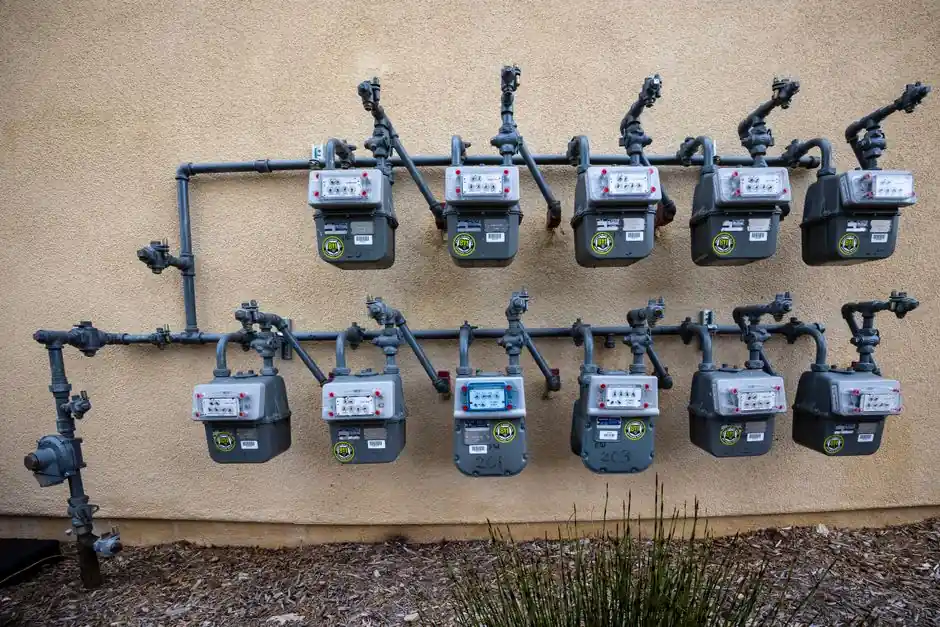
New construction rewards verification
Working in La Cima keeps teaching the same lesson: new deserves proof, not trust. We have caught undersized rough-in runs before drywall closed, corrected fittings that didn’t meet code in otherwise beautiful new homes, and sized outdoor living extensions that the original rough-in was never designed to carry. The neighborhood’s systems are young, which means problems are small, accessible, and cheap to fix — but only if someone looks. Every La Cima job gets the same discipline: verify first, install to code, pressure-test, and document.
Local questions
How do I verify the gas rough-in in my new La Cima home?
Have a specialist check it before the walls close — or any time after, since testing works on finished systems too. Verification means checking each run’s sizing against your actual appliances, confirming supports and code-compliant fittings, and pressure-testing the full system. Ask for test results in plain language, not just a verbal okay. In new construction, the only expensive gas problem is the one nobody looked for.
Can I add an outdoor kitchen or fire pit to my La Cima home’s gas system?
Usually yes — but the existing rough-in needs to be checked first. Outdoor appliances add real load, and many new-construction systems were sized for indoor appliances only. We assess the current system’s capacity, design a dedicated extension sized for the new load plus headroom, and install it with proper burial, protection, and pressure testing. Permits and inspections are coordinated where they apply.
What affects the cost of gas line work in La Cima?
The scope of the job shapes the price: the length and routing of the run, how much excavation the ground requires — rocky Hill Country sections take more work than graded lots — and whether the job is a verification, a repair, or a new extension. Tying into an existing system that’s already finished means working carefully around new finishes. A proper on-site assessment is the only way to price the actual work, so be cautious of anyone quoting a number without seeing the property.
Do you work with builders in La Cima’s new phases?
Yes. Pre-drywall rough-in verification is one of the most valuable services in new construction — it’s the last moment when every run is visible and every correction is cheap. We check sizing against the appliance schedule, verify supports and fittings, pressure-test the system, and document the results. Builders get a clean sign-off; buyers get proof instead of assumptions.
Safety & compliance
Trust and compliance
Gas work in La Cima has to satisfy the same safety codes as anywhere else in Texas — plus the practical demands of new construction: protecting new finishes, coordinating with build schedules, and documenting everything for homeowners and builders alike. We approach every job with current code requirements in mind, pressure-test before anything goes into service, and make sure you understand what was done and why. No shortcuts in new homes, no guesswork on extensions, and no pressure tactics — just careful, explainable work.
Signs you need gas line repair in La Cima
La Cima’s systems are young, which means most issues are small, accessible, and cheap to fix — if they’re caught. If you notice any of the following in your new-construction home, a professional look now beats a bigger job later.
1. Gas odor in the home or yard
The rotten-egg smell of mercaptan is the clearest warning there is. In a new home, check around the meter, at appliance connections, and along any recent landscaping or fence work — and treat any smell as urgent.
2. Hissing near lines, meters, or connections
In La Cima’s new homes, a faint hiss at a joint, valve, or meter connection can mean a fitting that never sealed properly. Never try to tighten it yourself — shut off the gas only if you can do so safely, leave the area, and call for help.
3. Dead or stressed vegetation in a distinct line
A strip of dying grass or plants tracing the path of a buried line — especially in an otherwise healthy new lawn — can indicate a slow underground leak starving roots of oxygen.
4. Appliances behaving oddly
Burners with weak or yellow flames, a water heater that struggles, or a furnace that won’t stay lit can all point to an undersized run or a supply problem in the line feeding them — common when appliance upgrades outpace the original rough-in.
5. Exposed or shallow pipe after grading work
Grading, landscaping, and fence installation on new lots can nick or stress buried gas lines. If you spot pipe emerging from disturbed soil, keep clear of it and arrange an inspection promptly.
6. Builder’s rough-in visible during a project
Opening walls during a post-move-in project and finding the builder’s gas rough-in is the perfect moment for a professional look — verifying sizing, supports, and fittings while everything is still accessible.
Reliable gas line repair in La Cima
From pre-drywall rough-in verification to outdoor kitchen extensions and young-system inspections, La Cima’s new homes deserve gas work that’s proven, not assumed. Call today for careful, code-aware gas line installation, inspection, and repair anywhere in the community.
Request service