Gas Line Repair in Dunbar, San Marcos, TX
Dunbar is one of San Marcos’s oldest neighborhoods — a historic African-American community just east of downtown, where modest bungalows and cottages have sheltered generations of families. The gas lines serving these homes are often as old as the houses themselves: original steel pipe, decades of piecemeal repairs, and systems sized for a simpler era. We bring careful, code-aware gas line repair, installation, and leak detection to Dunbar — with pressure testing and diagnostic discipline on every job, and respect for the neighborhood’s history in every visit.
About this area
Why Dunbar’s historic homes need a gas contractor who reads the house first
Why we serve here
Dunbar is one of the oldest communities in San Marcos — a historic African-American neighborhood east of downtown with deep cultural roots, where many homes date to the early and mid-1900s. We serve these houses with a simple rule: read the house before touching the pipe. That means understanding which era the gas system came from, what the renovations added or hid, and how the Blackland Prairie clay underneath has been moving around it all for decades. Every job gets the same diagnostic discipline — electronic detection, pressure testing, and repairs planned around the fuel gas code.
Gas line care shaped by Dunbar’s history, housing, and Blackland Prairie clay
Dunbar sits just east of downtown San Marcos, one of the city’s oldest residential communities and a historic center of African-American life in Hays County. The streets around the MLK Drive corridor and Dunbar Park hold homes that have sheltered generations — modest bungalows, cottages, and shotgun-style houses built in the early to mid-1900s, when gas piping meant threaded steel and a system sized for a range and a water heater. That history is written into the neighborhood’s gas lines: original pipe, decades of additions, and repairs made across eras with different materials and different standards.
The homes of Dunbar were built in an era of galvanized and black steel pipe, threaded joints, and valves that have been turned thousands of times. Since then, generations of renovations have layered new work over old — copper and CSST spliced into steel, shutoffs buried behind remodeled walls, runs extended to reach a new dryer or water heater without being resized for the load. These mixed-era systems are where most of Dunbar’s gas problems begin: not from a single failure, but from a century of small compromises stacked inside the walls and under the yard.
Underneath Dunbar lies Blackland Prairie clay, some of the most expansive soil in Texas. It swells when the rains come and shrinks and cracks in drought, and that seasonal heaving works on buried gas lines year after year — loosening old threaded joints, stressing meter risers, and opening fresh paths for corrosion. After a wet spring or a long dry summer, the ground moves one time too many and a joint that held for forty years starts to weep. In a neighborhood where so much pipe is original, the soil is as much a factor as the age.
Dunbar is also a neighborhood in renewal. Longtime family homes sit beside houses being renovated and updated, and every renovation is a moment of truth for the gas system — the point where hidden valves are found, undersized runs are exposed, and mixed materials get sorted out properly. We work with homeowners and renovators across Dunbar to make sure the gas side of a remodel is done right: verified shutoffs, properly sized runs, and pressure testing before the walls close back up.
Our work in Dunbar covers the full range: electronic gas leak detection, pressure testing, repair and replacement of corroded or damaged pipe, new gas line installation, and appliance hookups. Whether the house is a 1940s bungalow with its original service line or a freshly renovated cottage with a new tankless unit, the process is the same — diagnose with testing, repair with proper materials, and verify before sign-off.
Services available
Gas line services in Dunbar
Dunbar needs the same core gas services as anywhere else — but here they are shaped by the neighborhood’s age: original steel pipe, mixed-era renovations, and clay soil that never sits still. Here is what we bring to one of San Marcos’s oldest communities.
Gas Line Repair
Repair work in Dunbar usually starts with a symptom — a gas odor near an old meter, a hissing valve, dying grass along a buried line — and ends with the failed section cut out and replaced. In these older homes that means dealing with corroded threads, worn valves, and pipe that has been extended piecemeal for decades; in the clay soil it means joints stressed by years of ground movement. We pressure-test to confirm the leak, locate it with electronic detection, and replace what failed with code-compliant pipe — then test the whole system again before service is restored.
Gas Line Installation
Adding a gas range, dryer, tankless water heater, or outdoor kitchen to a Dunbar home? We design and install new gas lines sized for the combined appliance load, routed and supported to code, and pressure-tested before anything is fired. In a neighborhood of renovations, we also sort out what the remodel uncovered — verifying shutoff locations, replacing mixed-material splices with proper transitions, and bringing the whole system up to a standard the next fifty years can rely on.
Gas Leak Detection
If you smell gas or suspect a leak, detection is the first step — not guesswork. We use electronic gas detectors to pinpoint leaks at joints, valves, and buried sections, and pressure testing to confirm what the instruments find. In Dunbar’s older housing stock, a faint odor on a damp morning is worth taking seriously. On a strong odor, leave the area and call emergency services first; then call us at (512) 894-6527 and we will track the leak to its source and fix it.
How we work locally
How gas line repair is executed in Dunbar
Challenge: Original steel pipe meeting a century of renovations
Many Dunbar homes still carry their original gas piping — steel installed when the house was built, joined with threaded fittings and extended over the decades as families added appliances. Each generation’s work used the materials and habits of its time, so a single system can contain black steel, galvanized pipe, copper, and CSST, with shutoffs hidden behind two remodels and runs that were never resized for today’s loads. Finding the real problem in that kind of system takes testing, not assumptions.
Challenge: Expansive clay working on aging buried lines
Dunbar’s Blackland Prairie clay swells in wet weather and shrinks in drought, and that movement has been working on the neighborhood’s buried gas lines for generations — loosening old threaded joints, stressing connections, and shifting meter risers out of plumb. The damage is cumulative and quiet: a joint that survived fifty wet-dry cycles can fail on the fifty-first, and the first sign is often a faint odor on a damp morning or a strip of struggling grass along the buried run.
Where we work
Case files
Dunbar bungalow — 1940s home with original buried service line
A homeowner in a 1940s Dunbar bungalow noticed a faint gas odor near the side of the house, strongest on damp mornings — the kind of symptom that points to a small leak in an aging buried line working through shifting clay.
A pressure test confirmed the system was losing gas, and electronic detection traced it to a corroded threaded joint on the original buried service line, where decades of soil movement had worked the fitting loose. We excavated by hand around the home’s established landscaping, replaced the failed section with properly bedded and protected pipe, and checked every accessible joint on the run.
The system held pressure with no drop, the odor was gone, and every appliance was relit and checked before the gas was turned back over to the homeowner.
Renovated Dunbar cottage — pre-drywall gas verification
A renovator updating a Dunbar cottage opened the walls and found a patchwork gas system: steel, copper, and CSST spliced together across three eras, a shutoff buried behind a remodeled bathroom, and a run feeding a new tankless water heater that had never been resized for it.
We mapped every run back to the meter, pressure-tested the whole system, and brought it into order — proper transitions between materials, the hidden shutoff relocated to an accessible, code-compliant spot, and the tankless feed resized for its actual load. The full system was pressure-tested before the walls closed.
The renovation moved forward with a gas system that matched the quality of the rest of the remodel — every valve accessible, every run sized right, and test results documenting a tight system.
Gas line work shaped by Dunbar’s age, soil, and renewal
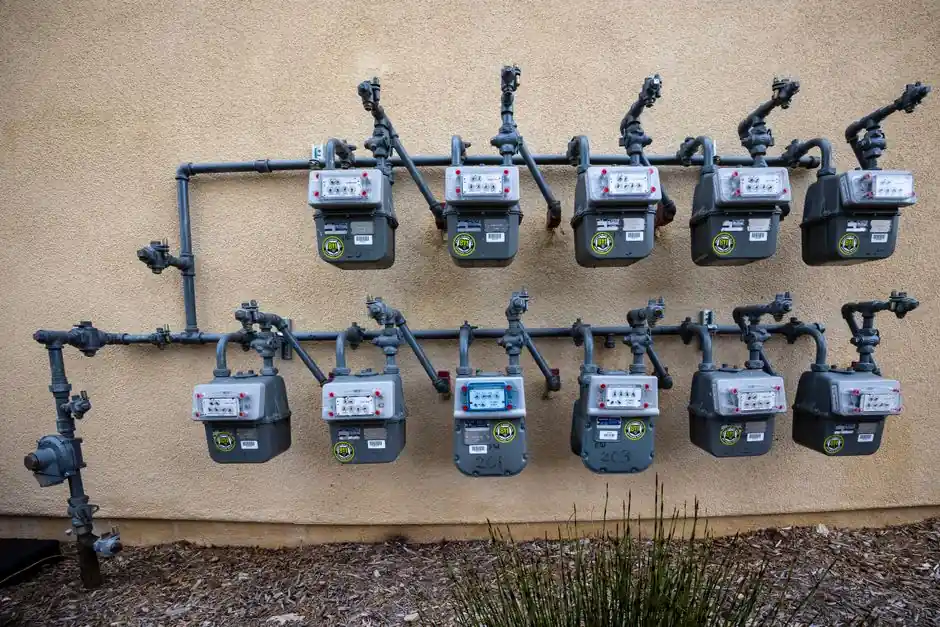
Dunbar’s gas systems tell the neighborhood’s story: original steel from the early 1900s, each decade’s renovations layered on top, and Blackland clay shifting underneath it all. Our work here is part detective work, part craft — reading mixed-era pipe, finding the weak points with instruments instead of guesses, and leaving every system tighter and more legible than we found it.
In Dunbar we have traced faint damp-morning odors to threaded joints the clay finally worked loose, opened walls to find shutoffs two remodels deep, and resized runs that three generations of additions had quietly overloaded. The pattern repeats: age plus renovation plus expansive soil, and the fix is always the same discipline — test the system, locate the real failure, repair it with proper materials and transitions, and pressure-test before sign-off. Old houses deserve that kind of care, and Dunbar’s homes have earned it.
Local questions
How do I find gas line repair in Dunbar, San Marcos, TX?
Look for a contractor that works comfortably in older housing stock — original steel pipe, mixed-era renovations, and the diagnostic patience they demand. Ask whether leak detection means electronic instruments plus pressure testing, how repairs are verified, and whether the work is planned around the fuel gas code. In a historic neighborhood like Dunbar, the best credential is a methodical answer and a willingness to read the house before touching the pipe.
Why do older homes in Dunbar have more gas line problems?
Three forces converge in Dunbar. First, the pipe: original early-to-mid-1900s steel with corroded threads and worn valves. Second, the renovations: generations of piecemeal extensions, mixed materials, and shutoffs hidden behind remodels. Third, the soil: Blackland clay swelling and shrinking around those joints for the better part of a century. Together they make Dunbar’s older homes the likeliest candidates for gas line work in San Marcos — and the most rewarding to set right.
When should I call for emergency gas line repair in Dunbar?
Call right away if you smell gas — the rotten-egg odor added to natural gas — hear hissing near the meter or lines, or see dead vegetation in a line along your buried gas run. In Dunbar’s older homes, even a faint intermittent odor is worth a prompt call. If the odor is strong or you feel unsafe, leave the area and call emergency services first, then call us at (512) 894-6527.
What affects the cost of gas line repair in Dunbar?
Several factors shape the cost of a gas line job in Dunbar. The length and location of the failed section matters — a short exposed repair takes less labor than a long buried run under clay. The age of the system adds scope when mixed-era pipe needs proper transitions or hidden valves need to be brought back into accessible spots. Materials, accessibility, and whether excavation or concrete work is involved all play a part. We price from findings after testing and inspection, so you are paying for the actual job, not a guess.
Safety & compliance
Trust and compliance
Gas work leaves no room for shortcuts, so every job we do in Dunbar is planned around the fuel-gas code requirements that apply locally. In a historic neighborhood, that also means working with care around older construction — protecting original finishes, documenting what we find behind walls and under yards, and leaving the system more legible than we found it. We pressure-test repairs before they go back into service, use proper materials and joining methods, and coordinate permits and inspections with the local authority when the job requires it. Gas safety standards set by the Texas Railroad Commission frame the same methodical process on every call — from a single valve to a full reroute.
Signs you need gas line repair in Dunbar
Dunbar’s older homes reward attentive owners — small symptoms caught early stay small repairs. You don’t need to diagnose anything yourself; that is our job. But if you notice any of these in your Dunbar home, an early call saves trouble later.
1. Gas odor inside or outside the home
Natural gas is odorless, so utilities add a rotten-egg smell to make leaks detectable. In Dunbar’s older housing stock, a faint odor near the meter, along the buried line, or inside on damp mornings deserves attention — aging joints can weep intermittently before they fail. Ventilate the area, avoid open flames, and call.
2. Hissing or whistling near lines or the meter
A faint hiss at a joint, valve, or meter connection can mean gas escaping under pressure — and in Dunbar, those joints are often decades old. Don’t try to tighten anything yourself; old threaded fittings need proper tools and technique. Shut off what you safely can and call a professional.
3. Dead or dying vegetation along the buried line
A strip of stressed or dead grass following the path of your buried gas service is a classic sign of an underground leak. Dunbar’s clay soil can stress old joints open slowly over wet-dry cycles — this sign often shows up before the odor does.
4. Higher gas bills with no change in usage
If your gas bill climbs while your habits stay the same, a small leak or an aging appliance connection could be wasting gas. A system inspection and pressure test can find the cause.
5. Yellow, flickering, or sooty appliance flames
Gas appliances should burn with a steady blue flame. In older Dunbar homes, yellow tips, flickering, or soot around burners can signal a supply problem in aging pipe or a combustion issue worth having checked before it gets worse.
6. Recent ground movement near the meter
After heavy rain or long drought, the Blackland clay under Dunbar moves — and it can shift meter risers and stress buried joints that have been in the ground for generations. If you see the meter leaning or soil pulling away from the riser, have the system inspected.
Reliable gas line repair in Dunbar
Dunbar’s historic homes deserve gas work as careful as the neighborhood’s history is rich — from original steel lines under old bungalows to renovated systems feeding modern appliances. If something doesn’t smell right, or your home’s gas system is simply due for a check, call (512) 894-6527.
Request service