Gas Line Installation San Marcos TX
Gas line installation in San Marcos TX is the planned, code-compliant routing of new fuel-gas piping to serve your appliances. Whether you are building a new home in one of the growing subdivisions, adding a gas range to a kitchen remodel, running a line to an outdoor grill or pool heater, or converting from electric to gas, the installation has to be sized, routed, and tested to Texas fuel gas code. Our team handles the full job across San Marcos and the surrounding Hays County area, from the first load calculation to the final pressure test. Call (512) 894-6527 to talk through your project.
Service overview
What is gas line installation San Marcos TX?
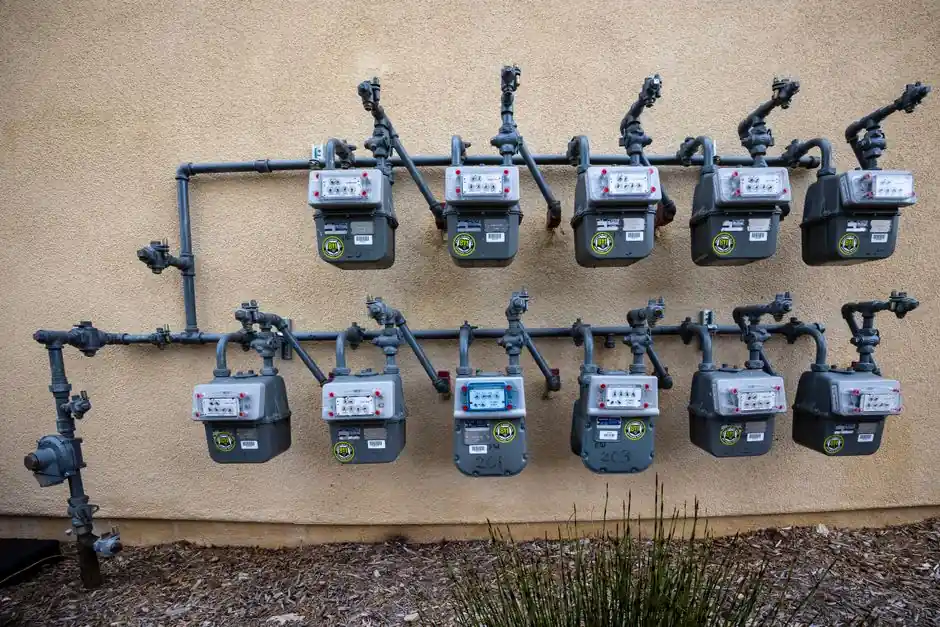
Gas line installation in San Marcos TX is the process of designing and building the piping system that carries natural gas from your meter to each appliance that burns it. A proper installation starts long before any pipe is cut. We calculate the total gas load of every appliance you plan to run, size each section of pipe so pressure stays correct even when the furnace, water heater, and range all fire at once, and choose a route that meets code for clearances, support, and protection. Material choice matters here: black iron pipe remains the workhorse for most interior runs, corrugated stainless steel tubing (CSST) offers flexibility for retrofit work through finished framing, and copper tubing serves specific appliance connections, each with its own bonding, support, and protection rules. San Marcos adds its own wrinkles. The expansive clay soil means buried exterior runs need proper depth, bedding, and protective coating so seasonal swelling does not stress the pipe. New construction in Trace, La Cima, Whisper, and Kissing Tree often needs gas stub-outs planned before the slab is poured, while older homes near downtown and the university need creative retrofit routing through existing walls and attics. Additions like outdoor kitchens, fire pits, pool heaters, and standby generators each bring their own sizing and placement requirements. Every installation we complete is pressure-tested at completion and documented, so you have proof the system was built right from day one.
! Common warning signs
Gas leaks from old lines
Many installation projects in San Marcos start because the existing line is failing. Black iron pipe that has spent decades in damp soil or humid wall cavities develops corrosion that thins the wall until replacement is the only safe option. Homeowners often discover this during a remodel, when opening a wall reveals pipe that looks far worse than expected, or during a home purchase inspection that flags the old line. Rather than patching a system that will keep failing section by section, a full new installation replaces the compromised piping with modern materials, correct sizing, and proper supports. If your current line is showing its age, an installation done right now prevents the cycle of emergency repairs later.
Inadequate gas supply for appliances
One of the most common reasons for a new gas line is that the old one simply cannot feed everything the household wants to run. This shows up as a water heater that goes lukewarm when the furnace kicks on, a range whose burners weaken when the dryer runs, or a new pool heater or standby generator that the existing pipe was never sized to supply. Gas appliances each demand a specific volume of fuel at a specific pressure, and when the pipe is undersized, the appliances at the end of the run starve. We see this frequently in San Marcos homes where additions, ADUs, or outdoor living upgrades were layered onto a gas system designed for a much smaller load. The fix is a properly engineered installation: we calculate the total connected load, size each branch for the worst-case simultaneous demand, and run new pipe so every appliance gets full pressure no matter what else is running.
Non-compliance with local codes
Gas piping is one of the most tightly regulated parts of a home, and for good reason. Texas fuel gas code, enforced locally and overseen at the state level by the Texas Railroad Commission, dictates approved materials, joint methods, pipe sizing, support spacing, shutoff valve placement, sediment traps, and clearances from electrical and plumbing systems. Installations done without permits or by unqualified workers often violate several of these at once: wrong pipe for the application, missing drip legs, no shutoff at the appliance, CSST installed without required bonding, or buried pipe at the wrong depth without tracer wire. These violations surface at the worst times, during a home sale inspection, an insurance claim, or a utility service call, and correcting them after the fact costs far more than doing it right the first time. Our installations are built to pass inspection the first time, and we handle permit coordination where the jurisdiction requires it.
Scope of work
What's included in gas line installation
A gas line installation is a small construction project, and we run it like one: surveyed, planned, permitted where required, built to code, and tested before sign-off. You will know the route, the materials, and the schedule before we start, and you will see the pressure test pass before we finish. Here is what our installation scope covers from start to finish:
-
01
Site assessment
Before we quote or cut anything, we visit the property and map the project. We note the meter location and its capacity, the path the new line must travel, every wall, slab, and obstacle in the way, and the full list of appliances the line must serve now and in the foreseeable future. For San Marcos properties this includes checking soil conditions for buried runs, since our clay expands and contracts enough to matter, and reviewing attic and crawlspace access for retrofit routing. We also confirm which utility serves the address, Atmos Energy or Texas Gas Service, and whether a meter upgrade is needed for the added load. The assessment ends with a clear plan: the proposed route, the materials, the permit requirements, and an honest timeline.
-
02
Material provision
We supply every component of the installation ourselves, which means nothing arrives undersized, off-brand, or wrong for the application. That includes black iron or steel pipe in the correct schedule, CSST with its required fittings and bonding clamps where flexibility is needed, full-port brass ball valves for every shutoff point, sediment traps, pipe hangers and supports, protective sleeving for penetrations through concrete and masonry, and tracer wire for buried runs. Every material we install is rated for fuel gas service and acceptable under Texas code. Because we source the materials, we stand behind them, and there is no finger-pointing if a fitting ever needs attention down the road.
-
03
Installation work
This is the core of the job: cutting, threading, routing, and joining the new piping exactly as planned. Interior runs are cut to length, threaded where black iron is used, and assembled with pipe thread compound rated for fuel gas, with each joint tightened to the correct torque. The pipe is supported at code-required intervals so it never sags or stresses a joint, sleeved where it passes through framing or masonry, and kept at proper clearances from electrical wiring and other systems. Buried exterior runs are trenched to the required depth, bedded properly for our clay soil, coated and wrapped for corrosion protection, and marked with tracer wire. Every appliance gets its own accessible shutoff valve and sediment trap where code requires one. We keep the work area clean as we go, and we protect your floors and finishes throughout.
-
04
Final inspection
No installation leaves our hands without proof it is safe. We cap every outlet, pressurize the new piping, and hold it at test pressure with a calibrated gauge to verify there is not a single leak in the system. Only after the test passes do we connect the appliances, purge air from the lines, relight pilots, and verify each appliance operates correctly with proper flame characteristics. We then walk the entire run with you, show you every shutoff valve and how to operate it, and explain the maintenance the system needs, which is minimal but worth knowing. You receive documentation of the installation, the test results, and the materials used, which is valuable for resale, insurance, and any future service work.
Benefits of gas line installation
A professionally installed gas line pays back in ways that go beyond simply having gas at the appliance. Correct sizing means every burner, heater, and dryer performs at its rated output, which improves efficiency and keeps energy costs in check. Modern materials and proper supports mean the system resists the two enemies of San Marcos gas piping, corrosion and soil movement, for decades rather than years. Code compliance protects your investment: a permitted, inspected installation will not become a surprise obstacle when you sell the home or file an insurance claim. There is also flexibility built in. When we install, we routinely add capped tees or slightly oversize trunk lines so a future gas grill, fire pit, or generator can be connected without tearing the system apart. For homeowners converting from electric to gas, the benefits are immediate: faster water heating, more responsive cooking, and heating that keeps working during the power outages that occasionally follow Central Texas storms. Done right the first time, a gas installation is a thirty-year asset, not a recurring expense.
Request a quoteTools and methods for gas line installation
Pipe wrench
Pipe wrenches are the fundamental tool of gas installation work, used to tighten every threaded joint to the precise torque that seals without damaging the threads. On a new installation this means dozens of joints, each one requiring the same care: clean threads, proper thread compound, and a firm, even tightening. In retrofit work through San Marcos attics and crawlspaces, where space is tight and existing structure limits swing room, smaller wrenches and careful technique keep every connection sound even in awkward positions.
Gas leak detector
Before the new line is connected and again after the pressure test, we sweep the entire installation with a calibrated combustible gas detector. This catches anything the gauge might miss at the very start and confirms zero leakage at every joint, valve, and appliance connection before we sign off. On larger installations with many branches, the detector lets us verify each section independently, so the final result is a system we know is tight everywhere, not just at the test gauge.
Pressure gauge
The pressure gauge is how a new installation proves itself. After assembly, we isolate the new piping, pressurize it, and watch the gauge hold steady over the test period. Any drop, even a small one, means a joint needs attention before the job continues. We also use gauges during the planning stage to check the existing system pressure, which helps us confirm the meter and service line can support the new load. It is a simple instrument, but it provides the objective pass-or-fail verdict that every installation must earn.
Pipe cutter
Clean, square cuts are the foundation of leak-free joints, and the pipe cutter is what makes them. Whether we are cutting black iron pipe to length for threading or trimming copper tubing for appliance connections, the cutter produces a straight, burr-free end that threads cleanly and seats fully in fittings. On installation day this precision matters at scale: a whole-house installation involves many cuts, and consistent, accurate cutting keeps the assembly moving efficiently and every joint reliable.
Local execution
Installing gas lines in San Marcos means working with the city's growth patterns and its ground. The newest demand comes from the master-planned communities on the edges of town, Trace, La Cima, Whisper, and Kissing Tree, where new builds need complete gas systems stubbed and sized before slabs are poured and walls close up. Infill construction and remodels in established neighborhoods like Sunset Acres, Victory Gardens, Blanco Gardens, and Hughson Heights usually mean retrofit installations: fishing new pipe through existing framing, working in tight attics during the cooler months, and tying into older trunk lines that must be evaluated before they carry new load. Around Texas State University, landlords regularly add gas dryers, ranges, and tankless water heaters to rental properties, which requires both new branch lines and a hard look at whether the existing meter can handle the added demand. South San Marcos and the areas along the I-35 corridor mix residential and light commercial needs, from restaurant build-outs to workshop heaters. Across all of it, our clay soil dictates how we handle anything buried: proper trench depth, protective coating, and tracer wire are non-negotiable here, and we call Texas811 before every dig. We build to the Texas fuel gas code as adopted locally, coordinate meter work with Atmos Energy or Texas Gas Service, and handle permits where the city requires them.
Every part of San Marcos has its own installation story. New subdivisions need full systems designed around modern appliance packages. Older neighborhoods need retrofits that respect existing structure while bringing the gas system up to current standards. Rental districts need durable, tenant-proof installations with clearly marked shutoffs. These are some of the areas where we install regularly:
- • Heatherwilde
- • Sunset Acres
- • Cypress Forest
- • San Marcos Crossing
Before & after
Available 24/7 in San Marcos
When emergencies happen, we answer
Gas installation projects do not always happen on a convenient schedule. A failed line discovered during a remodel, a meter upgrade that has to coordinate with the utility, or an appliance delivery arriving earlier than expected can all create urgency. Our team takes calls around the clock for San Marcos and the surrounding area, and we can mobilize for time-sensitive installation work, including emergency reroutes when an existing line has failed. When you call, we will assess the situation, explain what can be done immediately to keep the project moving, and schedule the site assessment at the earliest workable time. For true gas emergencies, such as a suspected leak, we will first walk you through the immediate safety steps: leave the area, avoid switches and phones inside, and call the utility's emergency line from safety.
Our gas line installation process
Initial consultation
Every installation starts with a conversation about what you want the gas system to do. We ask which appliances you are installing now and which you might add later, since planning for a future grill or generator during the initial run is far cheaper than adding it afterward. We review the site, check the meter capacity, and discuss routing options with you, including any trade-offs between cost, aesthetics, and future flexibility. You receive a written plan describing the route, the materials, the permit needs, and the timeline, so you know exactly what the project involves before committing.
Site preparation
On installation day we prepare the site before any pipe is cut. That means protecting floors and finishes along the work path, marking the planned route, and calling Texas811 to have existing underground utilities marked whenever trenching is involved. For interior retrofits, we identify the cleanest path through framing, plan minimal drywall openings, and set up dust control. For new construction, we coordinate with the builder's schedule so gas rough-in happens at the right phase. Proper preparation is what keeps an installation on schedule and your home clean.
Material selection
Material selection is driven by the application and the code, not by what happens to be on the truck. Black iron pipe for most interior runs, CSST where flexibility through finished framing justifies it, copper tubing for specific appliance connections, each chosen because it is the right material for that part of the system. We size every section from the load calculation so pressure stays correct at full demand, and we select full-port brass ball valves, proper hangers, and protective sleeving throughout. We explain the material choices in plain terms so you understand what is going into your walls and your yard, and why.
Gas line installation pricing
Gas line installation is custom work, and the price reflects the specifics of your project rather than a flat rate. A short run to a single appliance in an unfinished garage is a fundamentally different job from a whole-house system trenched across a yard and fished through finished walls. When we assess your project, we explain exactly which factors apply so the price you approve matches the real scope. These are the main factors that shape installation cost:
Length of gas line
The total footage of pipe is the most direct cost factor. Longer runs need more pipe, more fittings, more hangers, and more labor hours, and the relationship is nearly linear. A single appliance stub a few feet from the meter is a small job; a whole-house installation with branches to the kitchen, laundry, water heater, furnace, and outdoor living areas is a major project. Trenching for buried exterior runs adds further to the length factor, since excavation, bedding, and backfill are labor-intensive in our clay soil.
Type of materials used
Different parts of an installation call for different materials, and they carry different costs. Black iron pipe, CSST, copper tubing, brass ball valves, sediment traps, protective sleeving, and tracer wire each have their own price point, and a project that needs extensive CSST for a difficult retrofit will price differently from a straightforward black iron rough-in. We select materials for code compliance and longevity first, then explain the choices so you can see how the material list connects to the final figure.
Permit requirements
Most jurisdictions in our area require a permit for new gas piping, and permitted work must be inspected before it is put into service. Permit fees, the scheduling of inspections, and any plan review requirements add to the project cost and timeline. We handle the permit process for you, prepare the installation to pass inspection on the first visit, and coordinate with the inspector. This is money well spent: permitted, inspected work protects your home's resale value and your insurance coverage.
How we handle every installation
Frequently asked questions
How to choose a gas line installation service in San Marcos?
Look for a company that does fuel gas work as a core service, not as an occasional add-on, and ask how they size the system. A professional should perform a load calculation based on the BTU ratings of your appliances and size each pipe section from that math, not from habit. Ask whether they pressure-test the completed installation and provide documentation of the test, whether they handle permits and inspections, and whether they coordinate with the gas utility if a meter upgrade is needed. Local experience matters in San Marcos: installers who know our clay soil, our code enforcement, and the quirks of both new subdivisions and older neighborhoods will plan a cleaner, more reliable job. Get the plan in writing, including the route, materials, and timeline, before any work begins.
What are the benefits of gas line installation in San Marcos?
The benefits start with performance: correctly sized gas piping delivers full pressure to every appliance even at peak demand, so burners, heaters, and dryers all operate at their rated output. Gas appliances generally heat faster and cost less to run than their electric equivalents, which shows up in utility bills and in daily convenience, especially for cooking and water heating. A professionally installed system also adds long-term value: it is built from modern materials with proper supports and protection against our soil conditions, it meets current code, and it is documented, all of which matter at resale. We also build in future flexibility, such as capped tees for a grill or fire pit you might add later, so the system grows with your plans instead of limiting them.
How long does gas line installation take in San Marcos?
Project duration depends on the scope. A short run to a single nearby appliance can often be completed in a single visit, while a whole-house installation with multiple branches, trenching, and inspection scheduling naturally takes longer. Factors that extend the timeline include difficult retrofit routing through finished walls, the need for a meter upgrade coordinated with the utility, and permit inspection scheduling. During the initial consultation we give you an honest timeline for your specific project, broken into assessment, installation, testing, and inspection phases, so you know what to expect and when.
What materials are used for gas line installation in San Marcos?
The piping itself is chosen per application under Texas fuel gas code. Black iron or steel pipe is the standard for most interior distribution runs. Corrugated stainless steel tubing, or CSST, is used where its flexibility helps in retrofit work, and it must be installed with the manufacturer's fittings and proper bonding. Copper tubing serves certain appliance connections where code allows it. Every system also includes brass ball valves for shutoffs, sediment traps where required, pipe hangers and supports at code intervals, protective sleeving at penetrations, and tracer wire on buried runs. We explain the material plan for your project during the consultation so nothing is a mystery.
Related services
Gas Line Repair
Even a new installation benefits from a second look when something seems off. Our gas line repair service handles leaks, damaged sections, and failing valves in existing piping, which is often what prompts homeowners to consider a full new installation in the first place.
Gas Leak Detection
Before any new line goes in, it pays to know the exact condition of what is already there. Our gas leak detection service pinpoints existing leaks with calibrated equipment, so the installation plan can account for every issue in the old system rather than building around unknowns.
Ready for gas line installation San Marcos TX?
Planning a new gas line in San Marcos? Start with a conversation, not a commitment. Call (512) 894-6527 and tell us what you are building, adding, or converting. We will visit the property, work up a real plan with routing, materials, and timeline, and give you a clear price before any work begins. Every installation is pressure-tested, inspected where required, and documented, so your new gas system starts its life proven safe.